Are you wondering, “Are football jerseys supposed to be baggy?” every time you add one to your cart?
You’re not alone.
On TV, players wear skin-tight football shirts that cling to their bodies. In the stands and on the street, fans are rocking looser, relaxed jerseys that look almost oversized. So what’s the “right” fit?
Here’s the reality: modern football jerseys aren’t meant to be one-size-fits-all in style.
- Authentic (player-issue) jerseys are cut slim and fitted for performance.
- Replica (fan) jerseys are usually more relaxed and slightly baggy for comfort and everyday wear.
In this guide, you’ll learn exactly how football jerseys should fit, the key differences between authentic vs replica jerseys, and how to choose the perfect football jersey fit for your body, your style, and your game-day plans.
The Evolution of Football Jersey Fits
If you’ve ever wondered, “Are football jerseys supposed to be baggy?”, the answer has changed a lot over the years.
From Baggy 80s and 90s Kits
In the 80s and 90s, baggy football jerseys were the norm:
- Shirts were looser, heavier and boxy, with wide sleeves and plenty of extra fabric.
- Clubs used thicker polyester, cotton blends and heavy embroidery, which soaked up sweat and rain.
- The priority was durability, not performance, so a roomy, relaxed fit was accepted on every pitch, from Sunday league to top European nights.
Those classic, retro football shirts you see now? They were genuinely oversized football kits, not slim at all by modern standards.
Why Older Football Kits Were Looser
Older football shirt fits were baggy for a few simple reasons:
- Fabric tech was basic – no real stretch, poor moisture wicking, so players needed more room to move.
- Sizing was simple – small, medium, large, with very little tailoring.
- Physical battles were rougher – a looser fit meant less restriction, but more grabbing and pulling.
The result: a baggy, boxy jersey that looked iconic, but felt heavy and clung when wet.
Modern Fabrics Changed Everything
From the 2000s onwards, big brands like Nike, Adidas, Puma and others brought in:
- Lightweight, moisture‑wicking fabrics that breathe and dry quickly.
- Stretchy materials that move with the body without needing extra space.
- Laser‑cut ventilation and mesh panels to keep players cooler.
Because of this, football jersey fits could become slimmer and more athletic without sacrificing comfort or movement.
Shift from Baggy to Slim Fit on the Pitch
In modern professional football:
- Player‑issue / match jerseys are designed to be tight or slim fit.
- A closer cut means less shirt grabbing, better aerodynamics, and a cleaner look on TV.
- Sleeves are narrower, torsos are shaped, and athletic fit football shirts now hug the shoulders and chest.
On the pitch, baggy football tops are basically gone at elite level. The performance jersey fit is clearly fitted, not floaty.
Current Trends for Players and Fans
Today, we see a split between player fit vs fan fit jerseys:
- Pros wear slim‑fit, body‑hugging shirts – built for performance, speed and moisture control.
- Fans in the UK often prefer regular or relaxed fit – easier to layer over a T‑shirt or hoodie on cold matchdays.
- Streetwear and fashion culture have brought back the oversized football jersey look, especially with retro and vintage football shirts styled baggy on purpose.
So, are football jerseys supposed to be baggy now?
For players: no – slim and fitted wins.
For fans: it depends on your style, body type, and how you wear your kit.
Player Jerseys vs Fan Jerseys: What’s the Difference?
What is an authentic player‑issue football jersey?
An authentic or player‑issue football jersey is basically what the pros wear on the pitch. It’s built for performance, not comfort on the sofa.
Key traits:
- Tight, athletic fit – hugs the body to stop shirt pulling and flapping in the wind.
- Lightweight, technical fabric – thin, breathable, usually with extra ventilation zones and moisture‑wicking tech.
- Shaped cut – slimmer torso, narrower sleeves, longer back hem so it stays tucked when you run.
If you’re after that “match issue jersey fit”, expect it to feel more like a compression top than a standard t‑shirt.
Fit and cut of authentic / match / player jerseys
Player‑fit football jerseys usually:
- Run tighter than true to size – many people in the UK size up one if they’ve got a regular build.
- Sit close on the chest and shoulders, with minimal spare fabric.
- Have shorter, fitted sleeves that sit higher on the arm.
- Are made to be worn over a thin base layer at most.
These are ideal if you play a lot, hit the gym, or want that proper slim fit football shirt look.
What is a replica fan football jersey?
A replica fan jersey (often sold as “stadium” or “fan” version) copies the look of the match kit but is cut for everyday wear and comfort.
You’ll see this with most modern club shirts – for example, a Tottenham Hotspur stadium home shirt or an Aston Villa away stadium shirt is designed as a fan‑friendly replica version, not a tight player issue.
Fit and cut of replica/fan jerseys
Fan jerseys are built as a regular fit football shirt:
- More room in the chest, waist and sleeves.
- Slightly heavier, more durable fabric – feels closer to a normal sports top.
- Easier to layer over a tee or hoodie.
- Normally true to size for UK shoppers used to standard Nike, adidas or Puma sizing.
This is the classic comfortable fan jersey you wear to the pub, stadium or around town.
Authentic vs replica: who each fit is designed for
Player‑fit / authentic jersey is best if:
- You play 5‑a‑side, Sunday league or train regularly.
- You prefer a slim-fit soccer top that shows your shape.
- You care more about performance and breathability than all‑day comfort.
A replica / fan‑fit jersey is best if:
- You mainly wear it for match days, casual wear or streetwear.
- You like a relaxed, regular or slightly loose fit.
- You want something easier to style with jeans, joggers or shorts.
Pros and cons of player‑fit vs fan‑fit for everyday wear
Player‑fit (authentic / match jersey)
Pros:
- Looks sharp and athletic when it fits right.
- Best breathability and sweat‑wicking.
- Less fabric, so cleaner under jackets and zip hoodies.
Cons:
- It can feel too tight if you’ve got a broader build or prefer room.
- Less forgiving around the stomach and chest.
- Not ideal for layering in cold UK match days.
Fan‑fit (replica/stadium jersey)
Pros:
- More comfortable for all‑day wear.
- Easier to size up for a laid‑back or oversized football jersey style.
- Better if you want to wear it over a base layer or hoodie.
Cons:
- Can look a bit baggy if you’re in between sizes and go too big.
- Not as performance‑focused as a true player’s issue with jersey fit.
In short, football jerseys aren’t “supposed” to be baggy or tight – the right choice depends on whether you want player performance or fan comfort and style.
Are football jerseys supposed to be baggy?
What “baggy” really means for football jerseys
When we say a football jersey is “baggy”, we’re talking about:
- Extra room in the chest and waist
- Loose sleeves that sit away from the arm
- A longer, wider body that doesn’t follow your shape
On a fan, a slightly loose or oversized football jersey can look spot on. On a player, that same fit is usually a problem.
Why pro players wear tight or slim-fit jerseys
Modern player-issue football jerseys are cut slim on purpose. Pros go for a tight or athletic fit because it:
- Stops defenders from grabbing the shirt
- Reduces drag and feels lighter when sprinting
- Keeps moisture-wicking fabric close to the skin so sweat dries quicker
- Moves with the body instead of flapping about
If you see a match-worn top up close, you’ll notice it’s much closer to a compression top than a casual tee.
Why do many fan jerseys feel bigger or roomier
Most fan replica football jerseys are built with comfort and everyday wear in mind, not 90 minutes at full tilt. That’s why they:
- Fit more like a regular T‑shirt or light training top
- Have a straighter, more relaxed cut around the stomach
- Leave extra room for layering over a base layer or hoodie
“Stadium” or “fan” versions, like a standard Chelsea home stadium shirt, are meant to fit real bodies, not just athletes at peak condition, so they naturally feel a bit roomier.
Baggy football jersey: pros and cons
Pros of a baggy / loose fit:
- More forgiving around the stomach and shoulders
- Easier to layer over hoodies or long sleeves on a cold matchday
- Better for relaxed, streetwear or retro looks
Cons of a baggy/oversized football jersey:
- It can look sloppy if the length is too long or the sleeves hang past the elbow
- Not great for actually playing – shirt can twist, pull and get grabbed
- It can make you look wider or shorter if it overwhelms your frame
Fitted football jersey: pros and cons
Pros of a fitted / slim football jersey:
- Cleaner, more athletic look
- Better performance if you play 5‑a‑side or Sunday league
- Works well under jackets and zip hoodies without bunching
Cons of a tight football shirt:
- Shows everything – not always ideal if you prefer a relaxed look
- Can feel restrictive across the chest and shoulders if you size down too far
- Less comfortable in hot weather if it’s tight but not breathable
Common myths about baggy football shirts
Let me clear up a few myths I hear all the time in the UK:
- “Proper football jerseys are supposed to be baggy.”
Not anymore. Retro 90s kits were, but modern football jersey fit guides from big brands push slim and athletic cuts for players. - “If it’s loose, it’s fake.”
Not true. Many genuine replica fan jerseys are intentionally relaxed. Fit alone doesn’t prove authenticity. - “Baggy always looks bad.”
Wrong again. An oversized football jersey can look classy with the right styling – think straight-leg jeans or joggers and clean trainers, especially with retro or vintage designs.
In the end, football jerseys are not “meant” to be baggy or tight – they’re meant to fit how you’ll actually use them. Players need slim, fans often prefer relaxed. The key is choosing the cut that suits your body, your style and whether you’re wearing it in the stands, on the pitch or around town.
How Football Jerseys Should Fit

Getting the right football jersey fit is about how you actually use it – playing, casual wear, or streetwear. Here’s how I’d break it down.
Ideal fit for playing football
For 5-a-side, Sunday league or training, your football jersey shouldn’t be baggy or flapping about.
Aim for:
- Slim or athletic fit around chest and shoulders
- Enough room to raise your arms without the shirt pulling tight
- Hem sitting roughly mid-hip, not past your bum
- Fabric lying close to the body, but not painted on
If you’re buying for kids, look for “stadium” or “regular fit” options like an AC Milan kids stadium kit that balances movement and comfort.
Ideal fit for casual wear and game days
When you’re in the pub, at the stadium, or just out and about, comfort comes first.
For casual wear, I’d go for:
- Regular fit – not tight, not huge
- Space for a T-shirt or base layer underneath
- Length that covers your waistband but doesn’t look like a dress
- A bit more ease in the body so you can sit, stand and celebrate comfortably
Women often prefer fan jerseys with a slightly shaped cut, but plenty just size down in a men’s regular fit.
Slim fit vs regular fit vs loose fit
Slim fit football jersey
- Tapers at the waist
- Sits close to the body
- Best if you like a modern, athletic look or actually play in your shirt
Regular fit football jersey
- Straight cut through the body
- Most common for fan replica jerseys
- Safest choice if you want an everyday, game-day top
Loose fit / oversized football jersey
- Extra room in the body and sleeves
- Works well for streetwear styling with joggers or wide-leg shorts
- Looks best when it’s intentionally oversized, not just the wrong size
How tight is too tight for a football jersey?
Your football shirt is too tight if:
- You can see the fabric stretching or warping around the chest
- It pulls across the shoulders when you cross your arms
- It rides up every time you lift your arms
- You feel restricted taking a deep breath
If that’s you, size up or switch from player-fit to a regular fan-fit jersey.
How loose is too loose for a football jersey?
Your jersey is too loose if:
- The shoulders drop halfway down your upper arm
- The sleeves look like wings and flap when you run
- The hem covers most of your thighs
- It twists or rides around your body when you move
For a clean, casual look, you want a little room, not full-on 90s baggy kit. If you prefer a relaxed, fan-friendly football shirt, a regular fit or a slightly oversized stadium-style jersey is usually the sweet spot.
Football Jersey Sizing Guide (UK)
Getting the right football jersey fit is mostly about good measurements and reading the sizing chart properly. Here’s the simple version.
How to measure for a football jersey
Use a soft tape measure, stand relaxed, and measure over a thin t‑shirt:
- Chest: Around the fullest part, under the armpits, keep the tape flat.
- Shoulders: Tip of shoulder to tip of shoulder, straight across the back.
- Length: From the top of your shoulder (next to the neck) down to where you want the shirt to end (usually mid‑zip on jeans/top of shorts).
Write the numbers down in cm – most football jersey size charts use centimetres.
How to read a football jersey sizing chart
Most football jersey sizing charts list:
- Size (S, M, L, XL…)
- Chest in cm
- Sometimes waist, hip, and length
Match your chest measurement first – that’s the key one.
Simple rule:
- If you’re between sizes →
- Want a slim / match look: go down
- Want a regular / fan fit: go up
Nike vs Adidas vs Puma football jersey sizing
Brand fits are slightly different, especially for authentic vs replica jerseys:
| Brand | General Fit (Replica / Stadium) | General Fit (Authentic / Player) |
|---|---|---|
| Nike | True to size, regular fit | Slim, very fitted, runs tighter |
| Adidas | Slightly slim, but still casual | Tight, athletic, body-hugging |
| Puma | Can feel narrower in the shoulders | Very slim, especially in sleeves |
If you’re ordering a stadium shirt like a Chelsea home stadium jersey, the fit is usually more relaxed than a true player issue top.
US vs UK vs EU football jersey sizes
- UK & EU: Often shown in S / M / L plus cm.
- US: Similar letter sizes, but some brands cut them slightly roomier.
- Always go by the cm measurements, not just “Medium”.
Rough guide (varies by brand, always check the actual chart):
| Size | Chest (cm) |
|---|---|
| S | 88–94 |
| M | 95–101 |
| L | 102–108 |
| XL | 109–115 |
When to size up or size down your football jersey
Size up if:
- You want an oversized football jersey or a streetwear look
- You plan to layer a hoodie or base layer under it
- You have a broad chest/shoulders and don’t want it tight
Stay true to size if:
- You just want a normal, comfortable fan jersey
- You’re buying a replica/stadium jersey for matchdays
Size down if:
- You like a slim fit football jersey
- You’re lean and want that player‑style, athletic look
For example, an AC Milan home stadium shirt or Manchester United stadium kit will usually feel good, true to size, while an authentic player shirt in the same size will cling more to the body.
Sizing tips: men, women, and kids football jerseys
Men’s football jersey fit
- Built straighter through the body.
- If you lift or have a big chest/arms, consider sizing up or choosing a replica (fan) fit over a player issue.
Women’s football jersey fit
- Look for women’s cut jerseys (shaped waist, slightly shorter length).
- If only men’s sizing is available:
- For a fitted look: often size down one, if shoulders allow.
- For a looser, boyfriend style: stay true to size or size up.
Kids/youth football jersey sizing
- Always go by height and chest – kids grow fast.
- If they’ll wear it all season:
- Size up one for a growing room.
- Check sleeve length so it’s not hanging past the elbows.
Use your tape measure, compare against the football jersey sizing chart, and don’t be afraid to pick a bigger size if you want a more relaxed, fan‑friendly fit.
Choosing Your Perfect Football Jersey Fit
Questions to ask before you buy
Before you pick a size or style, be clear on three things:
- Use – Playing, gym, stadium, streetwear, or just collecting?
- Style – Slim, regular, or oversized? Tucked in or worn loose?
- Comfort – Do you run hot, hate tight sleeves, or prefer room to layer?
If you’re shopping online, look at fit notes (slim/regular / relaxed) and compare the size chart to a T‑shirt you already own that fits well. On our own stadium‑style shirts – like our women’s cut Barcelona home stadium shirt – the measurements are made to feel true to size for UK fans, not skin‑tight like player issue.
Best fit if you actually play in your jersey
If you’re playing 5‑a‑side, Sunday league or training:
- Go for slim or athletic fit (authentic / player fit or “stadium” fit).
- Jersey should skim the body, not cling or flap.
- Make sure there’s full shoulder movement and it doesn’t ride up when you lift your arms.
- If you’re between sizes, most UK players prefer sizing up once for freedom to move.
Best fit for casual fans & streetwear
If it’s mainly for watching matches, pub days or casual outfits:
- A regular fit replica/fan jersey is the easiest option.
- Aim for a fit like a casual T‑shirt – not sprayed on, not drowning you.
- Leave enough room to layer a T‑shirt or thin hoodie underneath in colder UK weather.
- For a laid‑back streetwear look, some fans choose one size up so it sits a bit boxier.
You’ll find our stadium shirts (like our AC Milan or women’s Borussia Dortmund designs) are cut with this fan‑friendly, everyday comfort in mind.
Best fit if you like oversized football jerseys
If you want that retro, baggy or streetwear vibe:
- Look for regular fit or loose fit fan replicas.
- Size up 1–2 sizes, depending on how big you want it.
- The key is to keep it intentional:
- Shoulders can drop slightly, but not halfway down your arm.
- Length should sit around mid‑thigh max, not past your knees.
- Works well styled with relaxed jeans, cargos or joggers.
Best fit if you like a slim, athletic look
If you prefer that “player issue” body‑hugging style:
- Go for authentic / player‑issue or “slim fit” jerseys.
- Stick to your normal size if you’re lean; size up if you’ve got a bigger chest or shoulders.
- The shirt should:
- Sit close to the body
- Not strain at the seams
- Still let you breathe and twist comfortably
A good rule: if you can’t sit comfortably or the badge warps across your chest, it’s too tight.
How body type affects your ideal football jersey fit
Everyone’s build is different, so adjust the fit to flatter you:
- Broad shoulders / big chest
- Avoid super-tight player fits; they’ll pull across the chest.
- Choose regular fit or size up in slim fit.
- Tall and slim
- Player / slim fit works well, just check the length so it’s not too short.
- Shorter or stockier
- Go for regular fit, not overly baggy or clingy.
- Watch the length; a jersey that’s too long can look sloppy.
- Women
- Where possible, pick women’s cuts – shaped slightly at the waist and shorter in length.
- If you prefer a relaxed or oversized look, go one size up in women’s, or try a men’s small for a boxier fit.
End goal: your football jersey should match how you actually use it – whether that’s 90 minutes on the pitch or 90 minutes in the stands – and feel like something you genuinely want to wear, not just collect.
Styling Baggy and Fitted Football Jerseys
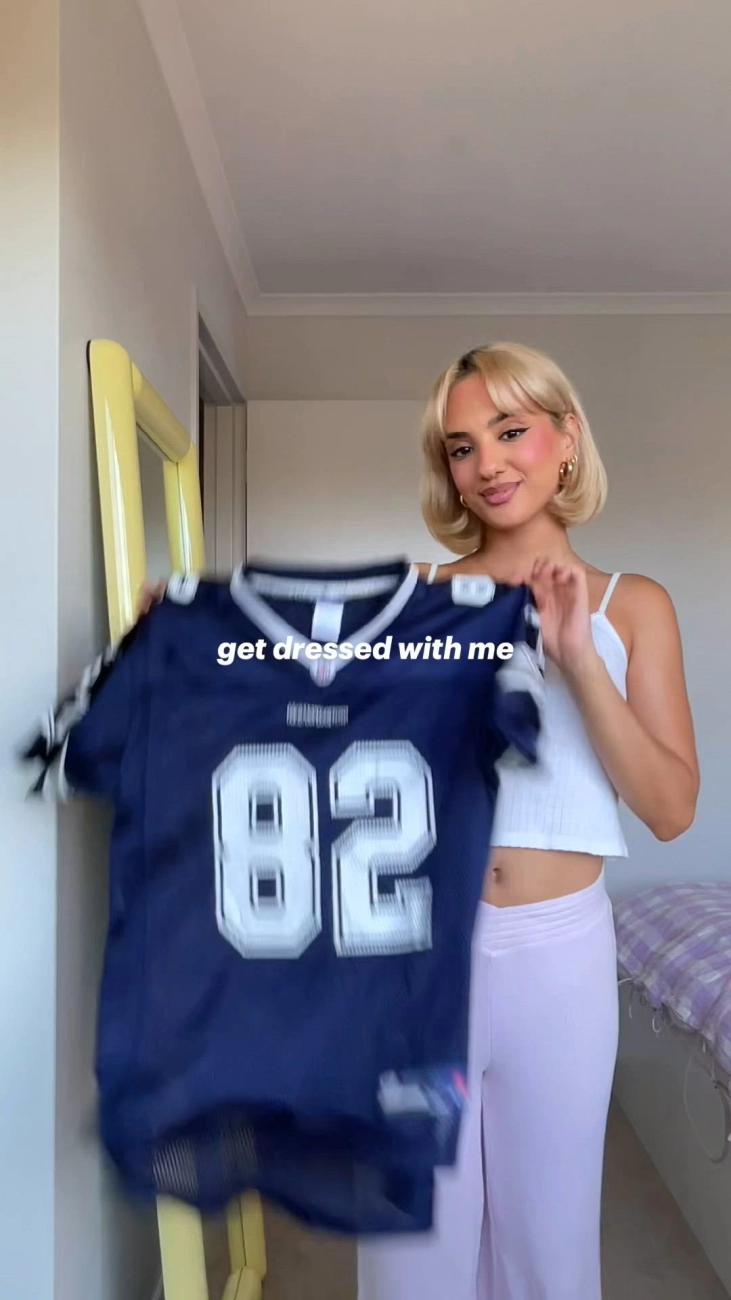
How to style an oversized football jersey
If you like a loose fit or an oversized football jersey, keep the rest of your outfit clean and simple so it looks intentional:
- Bottoms that work best:
- Slim or straight-leg jeans
- Fitted joggers
- Classic football shorts for a full kit look
- Easy styling tricks:
- Front tuck the hem into your jeans or joggers
- Roll the sleeves once or twice
- Add clean trainers and plain socks
For kids, a full stadium-style kit with matching shorts – like a Manchester City away stadium kit for kids – keeps an oversized top looking balanced and game-ready.
How to make a baggy football jersey look intentional, not sloppy
A baggy or loose fit football shirt can look sharp if you control the proportions:
- Keep one item oversized – if the jersey is big, keep the trousers slimmer
- Layer smart – a long-sleeve base layer or fitted hoodie underneath gives structure
- Choose the right size – oversized means relaxed, not drowning in fabric
- Stick to neutral pieces – black, grey, navy joggers or jeans, keep the shirt as the hero
Aim for streetwear, not pyjamas – neat trainers, clean lines, and no saggy joggers.
How to wear a slim-fit or tight football jersey casually
Slim-fit or player-fit football jerseys work well as everyday tops if you style them like an athletic tee:
- Pair with:
- Slim or tapered jeans
- Fitted joggers or tech trousers
- Tailored shorts in summer
- Keep layers light:
- Unzipped hoodie
- Open track jacket
- Casual bomber jacket
If you prefer a closer, athletic look, women’s cuts like the Barcelona third shirt for women are designed to sit slimmer on the body while still being comfortable.
What to wear with football jerseys (jeans, shorts, joggers, layers)
Mix and match depending on whether you’re heading to the pub, the stadium, or just the high street:
- Jeans:
- Slim/straight leg for most body types
- Avoid overly ripped or super baggy jeans with a loose jersey
- Shorts:
- Football shorts for match days and 5-a-side
- Chino or cargo shorts for a casual, smarter fan look
- Joggers:
- Tapered cuffs keep the outfit tidy
- Stick to solid colours to let the shirt stand out
Good layers with football jerseys in the UK climate:
- Zip hoodies
- Track tops
- Light puffer or bomber jackets
- Long-sleeve base layer under short-sleeve shirts
Layering jerseys with hoodies, base layers, and jackets
Layering is key if you’re wearing your football jersey year-round in the UK:
- Under the jersey:
- Tight long-sleeve base layer in winter
- Compression top if you’re playing or training
- Over the jersey:
- Open a hoodie or a zip jacket so the badge and sponsor still show
- Lightweight rain jacket for match days
- Fit tips for layering:
- If you plan to layer often, consider a regular or loose fit jersey so it doesn’t cling
- For fitted jerseys, choose thin layers to avoid feeling restricted
Whether you go for a baggy football top or a slim fit football jersey, the goal is simple: keep the jersey as the main focus, balance the rest of your outfit, and pick a fit that feels comfortable for how you actually wear it.
Performance vs Comfort in Football Jersey Fit
How football jersey affects performance
If you’re actually playing, fit matters more than the badge on the front. A good football jersey fit should:
- Stay close to the body so defenders can’t grab it easily
- Not flap about in the wind (more drag = you feel slower)
- Move with you when you sprint, turn and jump
That’s why authentic player-issue jerseys are cut slim and feel almost like a training top, while most fan replica jerseys are a bit looser and more forgiving.
Breathability, sweat-wicking, and movement
Tight / slim-fit football shirts:
- Usually use the best moisture‑wicking, breathable fabric
- Pull sweat away from the skin so it dries quicker
- Feel “locked in” – great for performance, not always as comfy if you’re standing around
Loose/relaxed fit football tops:
- Let more air move around your body
- Can feel cooler in the stands or at home
- But if they’re too baggy, they can bunch up or pull when you run
The sweet spot is a jersey that sits close on the shoulders and chest but still gives easy movement through the torso and arms.
How fabric and cut change comfort
Two shirts in the same size can feel totally different because of:
- Fabric – modern, lightweight polyester blends feel soft, smooth and breathable; older or cheaper kits can feel heavier and less stretchy
- Cut – an athletic fit narrows at the waist; a regular fit football shirt is straighter and more relaxed
For everyday wear in the UK – travelling to matches, pub days, or school runs – most people prefer a slightly looser comfortable fan jersey over a match-tight top.
Balancing performance fit and all‑day comfort
Ask yourself:
- Will I play football in regularly? Go more slim / player fit.
- Will I mostly watch games, travel, or wear it casually? Go regular or relaxed fit, maybe one size up for layering over a tee or hoodie.
A good rule:
If you can raise your arms fully without the jersey pulling tight across your chest or riding up too much, the fit is about right.
Hybrid and “stadium” jersey options
If you want something in between skin‑tight player issues and baggy fan tops, look for:
- “Stadium”, “supporter” or “hybrid” jerseys – designed to be worn all day but still using decent, lightweight, moisture‑wicking fabric
- Slightly looser through the body, with a more relaxed neckline and sleeves
For kids who want to run about in their kit but stay comfy, hybrid stadium kits like the Real Madrid or Barcelona kids’ stadium jerseys we stock are ideal – they’re cut for movement, but soft and breathable enough for school, park or match days.
Common Football Jersey Fit Problems and Fixes
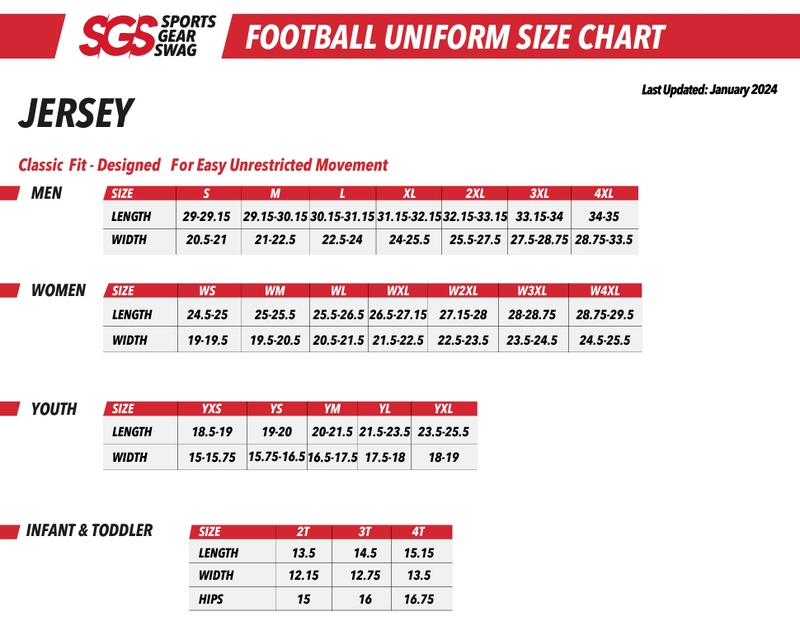
Even with a solid football jersey sizing guide, fit issues still happen. Here’s how I’d handle the most common problems so your shirt looks intentional, not awkward.
Jersey too tight in the chest or shoulders
If your football jersey feels like it’s pulling when you lift your arms or breathe deeply, it’s too tight.
Fix it:
- Size up to the next size – especially with authentic / player-issue slim fit shirts.
- Look for a stadium or fan replica jersey with a regular fit instead of a player-fit cut.
- Avoid heavy base layers underneath – stick to a thin, moisture-wicking top.
Jersey too long or too short
Modern kits often run long, while some slim-fit football shirts can feel cropped when you move.
Fix it:
- Too long:
- Tuck the front only (football-style tuck) into shorts or jeans.
- Get a tailor to shorten the hem slightly if it’s for casual wear.
- Too short:
- Size up or switch to a replica fan jersey, which usually has a more forgiving length.
Sleeves too baggy or too tight
Sleeves can ruin the whole look, especially on oversized football jerseys.
Fix it:
- Too baggy:
- Roll the sleeves once or twice for a cleaner, streetwear style.
- Consider a slim-fit soccer top next time instead of a relaxed cut.
- Too tight:
- Size up or avoid player issue jersey fit, which is built for athletes’ arms and shoulders.
Jersey riding up or clinging when you move
If your football shirt keeps riding up when you run or sticks to your body, the fit or fabric is off.
Fix it:
- Go for a slightly looser, regular fit football shirt with a bit more room at the waist.
- Wear a light base layer so sweat doesn’t make it cling as much.
- Avoid sizing down in tight football shirts – they should skim the body, not grip it.
Simple quick fixes: roll, layer, tailor, or swap size
If your football jersey isn’t perfect, you’ve still got options:
- Rolling sleeves – sharpens up baggy sleeves instantly.
- Layering – wear your jersey over a hoodie or long sleeve for a relaxed, streetwear look (ideal if it’s a bit big).
- Tailoring – a small adjustment to length or width can make a replica fan football jersey look custom-made.
- Exchanging size – always check return policies before you buy, especially online. For example, with something like a stadium-style Real Madrid Tchouameni 2026/25 shirt, I always recommend checking reviews on fit, then swapping quickly if it comes up tighter or looser than expected.
Get the fit right, and even a cheap stadium jersey or replica kit will look and feel spot on – both on the pitch and in the stands.
Football jerseys for different uses
Best football jersey fit for 5-a-side or Sunday league
For actually playing, a slim or athletic fit football jersey works best:
- Cut: Slim through chest and waist, not painted on
- Movement: Room in the shoulders, no pulling when you lift your arms
- Fabric: Breathable, moisture-wicking, lightweight
- Sizing tip (UK): Go true to size unless you wear a base layer underneath
If you like the look of modern stadium jerseys, such as the Bayern Munich home or away fan shirts, that style of cut is usually ideal for grassroots football too.
Best jersey fit for watching games at the stadium
For match days in the stands, comfort wins:
- Fit: Regular or slightly loose fit football shirt
- Reason: Easy to layer over a tee or thermal, comfortable when sat down
- Weather: Make sure there’s space for a hoodie underneath for colder away days
- Sizing tip: Many UK fans size up one for stadium trips
A regular-fit stadium shirt like the Bayern Munich Jonathan Tah home stadium shirt hits a good balance between comfort and shape.
Best football jersey fit for gym or training wear
For the gym or running:
- Fit: Slim or tight performance fit
- Why: Less fabric flapping about, better sweat-wicking
- Length: Slightly longer hem so it doesn’t ride up on exercises
- Tip: Choose player-fit style tops if you want that second-skin training feel
Best jersey fit for streetwear and everyday outfits
For casual and streetwear, both oversized football jerseys and fitted shirts work:
- Oversized:
- Size up 1–2 sizes
- Works with baggy jeans, cargos, or loose joggers
- Regular/slim:
- True to size
- Easy with straight-leg jeans, chinos, or fitted joggers
If you’re after a clean everyday look, a women’s regular-fit shirt like the Arsenal home stadium shirt for women shows how a fan cut can double as a smart casual top.
Collectible vs wearable football jerseys
Decide if a shirt is for collecting or wearing:
| Type | Aim | Best Fit Choice |
|---|---|---|
| Match-issue / player-issue | Collectible | Buy true size, don’t worry about feel |
| Retro / rare shirts | Collectible | Prioritise condition over perfect fit |
| Modern replicas/stadium | Wearable | Choose regular or loose for comfort |
| Player-fit authentic | Wearable | Only if you like a tight, athletic fit |
If it’s mainly for the wall or storage, fit doesn’t matter as much. If it’s for match days, the pub or daily wear, focus on comfort, layering and how it sits on your body.
Buying tips before you order a football jersey
Check product photos and descriptions properly
Before you hit “buy”, zoom in and check:
- Fit labels: words like slim fit, regular fit, stadium jersey, authentic, match, fan replica tell you a lot.
- Fabric: look for lightweight, breathable, moisture‑wicking polyester for comfort.
- Cut details: sleeve width, hem shape, and length on the model give clues on whether it’ll look baggy or fitted.
- Size info: a clear football jersey sizing chart is a must – chest, length, and sometimes shoulder width.
If you’re buying for kids, check if the listing clearly states youth sizing, like on this Liverpool Diogo Jota kids home stadium kit, which is clearly marked as a children’s shirt: Liverpool Diogo Jota 20 kids home stadium kit 2026–25.
How to use reviews for sizing and fit
Don’t skip the reviews – they’re gold for football jersey fit guide info:
- Look for comments like “fits true to size”, “runs small”, or “very baggy”.
- Pay attention to UK buyers mentioning height, weight, and usual T‑shirt size.
- Filter for reviews with photos so you can see real‑life fit, not just model shots.
- Check if people mention Nike, adidas, or Puma sizing running differently from their normal tops.
Check return and exchange policies
With football kits, sizing mistakes are common, so:
- Make sure there’s a clear returns window (at least 14–30 days is ideal in the UK).
- Check if personalised shirts (names/numbers) can be returned – often they can’t.
- Confirm who pays the return postage and whether exchanges are free or treated as a new order.
If you’re nervous on size, a flexible returns policy lets you order two sizes and send one back.
Authentic vs replica vs fake – and fit risks
- Authentic / player issue jerseys: slimmer, shorter, athletic fit, more like what pros wear. Great for performance, less forgiving on the belly.
- Replica/stadium / fan jerseys: regular fit, a bit looser and more comfortable for everyday wear and layering.
- Fakes: sizing is all over the place – often too tight in the chest, odd sleeve length, cheap fabric, and poor breathability. They might look OK in photos, but feel horrible on.
If you want a fan‑friendly football kit that still looks like the real thing, a stadium jersey such as this Inter Milan long‑sleeve home stadium shirt gives you the authentic look with a more relaxed fit: Inter Milan men’s home stadium long‑sleeve shirt 2026–25.
Online vs in‑store – when to try on first
- Try in‑store first if:
- You’re between sizes or new to that brand.
- You want a tight football shirt for playing and need to be sure it’s not restrictive.
- Online is fine if:
- You already know your Nike / adidas / Puma football jersey sizing.
- You’ve checked the football jersey sizing chart, reviews, and returns are easy.
For UK buyers, I’d always say: if you’re going for a slim-fit soccer top or player‑issue jersey, try one on in person at least once. After that, re‑ordering online using that size is much safer.
FAQ: Football Jersey Fit and Sizing
Are modern football jerseys supposed to be baggy?
No. Modern football jerseys (especially player or “authentic” versions) are designed to be slim, athletic and close to the body. A loose-fit football jersey is more of a fan style choice now, not the pro standard.
Do authentic football jerseys fit tighter than replicas?
Yes.
- Authentic / player-issue jerseys: slim, performance cut, tighter on the chest, shoulders and arms.
- Replica/stadium jerseys: more relaxed, closer to a regular t‑shirt fit, better for everyday wear.
For example, a Real Madrid home stadium shirt is cut roomier than the match version, so it’s easier to wear casually.
Should I size up for a looser football jersey fit?
Usually, yes.
- If you want a baggy football jersey look or plan to layer over a hoodie, go one size up.
- If you prefer a regular fit football shirt, stick to your normal t‑shirt size (especially with replicas).
- With tight player-fit jerseys, many people in the UK go up a size for comfort.
How do football jerseys fit compared to regular t‑shirts and hoodies?
- Compared to a standard t‑shirt: jerseys are longer and often narrower at the waist.
- Compared to a hoodie: jerseys are much slimmer, especially in the sleeves and shoulders.
- Replica “stadium” tops, like a Bayern Munich men’s third stadium shirt, feel closest to a regular sports tee.
Can you shrink or tailor a football jersey to fit better?
You shouldn’t rely on it.
- Shrinking: Polyester won’t reliably shrink; high heat can damage prints and badges.
- Tailoring: Possible to take in the body slightly, but sleeve badges, sponsor prints and side panels limit what a tailor can do.
- Best move in the UK: check the football jersey size chart, read reviews, and buy from a shop with a good returns policy so you can swap sizes instead of trying to shrink or heavily alter the shirt.